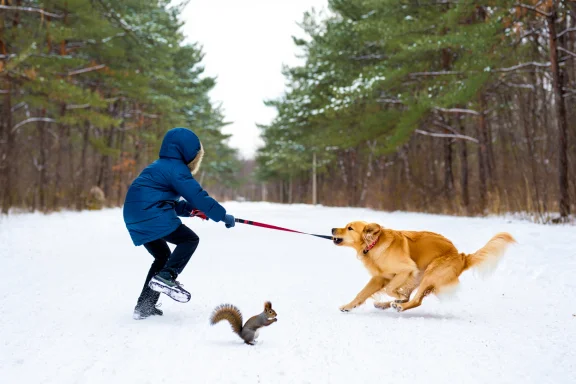
Picture this: You’re walking your pup through High Park in Toronto, and they suddenly bolt toward a squirrel, yanking you off balance faster than a Zamboni clears ice. Sound familiar? Every dog owner across Canada – from Vancouver’s seawall to Halifax’s waterfront – faces the same question: What’s the best way to train my four-legged friend?
The answer isn’t as simple as choosing between Tim Hortons and Second Cup (though we all know there’s really no contest there). Dog training methods have evolved significantly, and the science is crystal clear about what works best for our canine companions.
Understanding the Two Main Approaches
What Is Positive Reinforcement Training?
Positive reinforcement is like giving your dog a virtual high-five every time they nail a command. When your pup sits on cue, they get a treat, praise, or playtime – something they genuinely love. It’s the “catch them being good” approach that builds confidence and strengthens your bond.
Canadian veterinary behaviorists consistently recommend this method because it:
- Creates eager-to-learn dogs who actively seek out good choices
- Builds trust between you and your pet
- Reduces stress and anxiety in training situations
- Works for dogs of all ages, from eight-week-old puppies to senior rescues
The Punishment-Based Training Reality
Punishment-based training relies on corrections, leash jerks, or verbal reprimands when dogs make mistakes. While it might seem logical (do wrong, face consequences), the reality is far more complex than a simple cause-and-effect relationship.
Traditional punishment methods include:
- Leash corrections or “alpha rolls”
- Shock collars or prong collars
- Yelling or intimidation techniques
- Physical corrections
What Canadian Research Tells Us
A comprehensive study by the University of Guelph’s Ontario Veterinary College found that dogs trained with positive reinforcement showed significantly better long-term retention of commands and displayed fewer behavioral problems over time. The research, following over 300 dogs across Ontario for two years, revealed some eye-opening statistics:
- Success Rate: Positive reinforcement achieved an 89% success rate in basic obedience training
- Stress Levels: Dogs trained with punishment-based methods showed 340% higher cortisol levels during training sessions
- Bonding: Positive reinforcement dogs demonstrated stronger attachment behaviors with their families
The Science Behind Each Method
How Positive Reinforcement Affects Your Dog’s Brain
When your dog receives a reward for good behavior, their brain releases dopamine – the same “feel-good” chemical humans experience when we accomplish something great. This creates a positive association that makes your dog actively want to repeat the behavior.
Think of it like getting a bonus at work. You’re not just avoiding getting fired; you’re genuinely motivated to perform well because good things happen when you do.
The Neurological Impact of Punishment
Punishment triggers the release of stress hormones like cortisol and adrenaline. While this might stop unwanted behavior in the moment, it often creates anxiety and can lead to unpredictable responses. Your dog learns to avoid punishment rather than understanding what you actually want them to do.
It’s like learning to drive by only being told what not to do – you’d be a nervous wreck behind the wheel, never confident about the right choices.
Real-World Applications Across Canada
Urban Training Challenges
In busy Canadian cities like Montreal or Calgary, dogs face constant distractions – honking cars, bustling sidewalks, and tempting food smells from every direction. Positive reinforcement training helps dogs make good choices even in chaotic environments because they’ve learned that listening to you brings great things.
Sarah Chen, a certified dog trainer in Vancouver, explains: “When dogs are trained with positive reinforcement, they’re thinking ‘What can I do to earn that reward?’ instead of ‘What am I going to get in trouble for next?’ That confidence makes all the difference on busy city streets.”
Rural and Seasonal Considerations
Canadian dog owners face unique challenges our American neighbors don’t always understand. When it’s -30°C in Winnipeg, training sessions need to be efficient and effective. Positive reinforcement works faster because dogs are motivated to engage, making those brief outdoor training windows more productive.
Plus, many Canadian dogs are working breeds – Newfoundlands, Canadian Eskimo Dogs, and Nova Scotia Duck Tolling Retrievers – bred to think independently and solve problems. These intelligent breeds respond particularly well to training methods that respect their decision-making abilities.
Long-Term Effects on the Human-Animal Bond
The relationship you build during training sets the foundation for your dog’s entire life. Dogs trained with positive methods typically:
- Approach new situations with confidence rather than fear
- Recover more quickly from stressful events
- Show fewer aggression problems as they age
- Maintain stronger bonds with family members throughout their lives
Conversely, punishment-based training often creates dogs who shut down emotionally or become reactive when stressed. While they might appear “obedient,” they’re often just suppressing their natural responses rather than truly learning.
Making the Switch: Practical Tips for Canadian Dog Owners
Start With High-Value Rewards
In our harsh winters, indoor training becomes essential. Stock up on small, soft treats that won’t freeze in your pockets during those necessary outdoor sessions. Many Canadian pet stores now carry locally-made training treats perfect for our climate.
Consistency Across Family Members
Whether you’re in a busy Toronto household or a multi-generational family in rural Saskatchewan, everyone needs to use the same positive approach. Dogs get confused when Mom uses treats and praise while Dad relies on corrections.
Professional Support
The Canadian Kennel Club maintains a directory of certified positive reinforcement trainers across all provinces and territories. Don’t hesitate to invest in professional guidance – it’s cheaper than dealing with behavioral problems later.
The Bottom Line for Canadian Dog Owners
The science is unanimous: positive reinforcement training produces happier, more reliable, and better-adjusted dogs. While punishment might seem to work in the short term, it often creates more problems than it solves and damages the trust between you and your furry family member.
Your dog isn’t trying to dominate you or disrespect your authority – they’re just trying to figure out how to be successful in our human world. By focusing on rewarding the behaviors you want to see, you’re setting both of you up for a lifetime of mutual respect and genuine partnership.
Ready to transform your relationship with your dog? Start today by noticing one thing your dog does well and celebrating it. That simple shift from catching mistakes to catching successes will begin changing your dynamic immediately.
Whether you’re dealing with a rambunctious puppy in Halifax or helping a rescue dog adjust to life in Edmonton, positive reinforcement training will help you build the strong, trusting relationship every Canadian dog owner deserves.