Group Classes
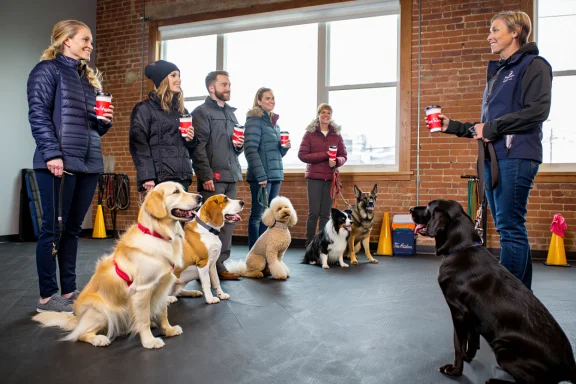
Picture this: a room full of eager Canadian dog owners, steaming Tim Hortons cups in hand, watching their pups learn alongside furry classmates from across the neighbourhood. Group dog training classes represent one of the most effective ways to build well-socialized, obedient dogs while creating lasting connections within Canada’s vibrant pet-loving communities.
From coast to coast to coast, Canadian dog owners are discovering that group training classes offer something private sessions simply can’t replicate – real-world socialization in controlled environments. According to the Canadian Kennel Club, dogs who attend group training classes are 67% less likely to develop behavioral issues later in life, making these structured sessions one of the smartest investments you can make in your dog’s future.
The Power of Pack Learning: Why Group Classes Work
Structured Socialization in Safe Environments
Group classes provide controlled exposure to the sights, sounds, and situations your dog will encounter throughout their Canadian life. Unlike random dog park encounters or sidewalk meetings, professional group sessions offer:
Controlled Social Interactions:
- Supervised play with dogs of similar temperaments and energy levels
- Gradual introduction to different breeds, sizes, and personalities
- Positive associations with new dogs, people, and environments
- Conflict prevention through expert intervention and guidance
Real-World Distractions:
- Training with actual distractions present (other dogs, people, sounds)
- Learning to focus despite exciting stimuli around them
- Building impulse control in stimulating environments
- Preparing for Canadian life’s unexpected moments
Peer Learning Opportunities:
- Watching other dogs succeed builds confidence in hesitant learners
- Natural modeling of calm, appropriate behaviors
- Motivation through friendly competition and group energy
- Reduced training pressure in fun, supportive atmospheres
Community Building for Canadian Dog Families
Group classes create connections that extend far beyond the training facility. Canadian dog owners consistently report forming lasting friendships through shared training experiences, leading to:
- Regular exercise partnerships for harsh winter months
- Trusted pet-sitting arrangements for cottage weekends or vacations
- Local dog park meetups and walking groups
- Emergency support networks for unexpected situations
Class Types: Finding Your Perfect Fit Across Canada
Puppy Foundation Classes: Starting Strong
Age Range: 8-16 weeks (after first vaccinations) Duration: 6-8 weeks Class Size: 6-8 puppies maximum
Puppy classes focus on critical early socialization during the prime learning window. Canadian puppies face unique challenges – limited outdoor access during harsh winters, seasonal lifestyle changes, and varying daylight hours affecting energy levels.
Core Curriculum Includes:
- Basic commands: sit, stay, come, down
- Leash walking skills for Canadian sidewalk navigation
- House training support and troubleshooting
- Bite inhibition and appropriate play behaviors
- Crate training for travel and home management
- Handling exercises for grooming and veterinary visits
Seasonal Considerations:
- Winter sessions include indoor exercise alternatives
- Summer classes prepare puppies for increased outdoor activity
- Holiday preparation for family gatherings and visitors
Basic Obedience: Building Life Skills
Age Range: 4+ months (completed puppy series or equivalent) Duration: 8-10 weeks Class Size: 8-10 dogs maximum
Basic obedience classes establish the foundation skills every Canadian dog needs for successful family integration and community participation.
Essential Skills Covered:
- Reliable recall for off-leash cottage and camping adventures
- Loose-leash walking for urban Canadian environments
- Stay commands for safety around doorways and vehicles
- Leave-it commands for roadside hazards and wildlife encounters
- Impulse control around food, visitors, and exciting situations
Real-World Applications:
- Greeting visitors politely during hockey game parties
- Calm behavior at outdoor festivals and community events
- Safe interactions with children at playgrounds and parks
- Appropriate responses to Canadian wildlife sightings
Advanced Training: Taking Skills to the Next Level
Prerequisites: Completed basic obedience or equivalent skills Duration: 8-12 weeks Class Size: 6-8 dogs maximum
Advanced classes challenge dogs mentally while perfecting their social skills in increasingly complex situations.
Advanced Skill Development:
- Distance commands for enhanced safety and control
- Emergency recall training for unexpected situations
- Complex behavior chains combining multiple commands
- Distraction-proofing around high-value temptations
- Public access skills for therapy dog preparation
Specialized Tracks Available:
- Agility foundations for athletic breeds
- Scent work introduction for mental stimulation
- Therapy dog preparation for community service
- Canine Good Citizen certification preparation
Reactive Dog Classes: Specialized Support
Requirements: Behavioral assessment required Duration: 8-10 weeks Class Size: 4-6 dogs maximum with increased instructor ratios
These specialized classes help reactive dogs learn appropriate responses to triggers in controlled environments with extra safety protocols and individualized attention.
Modified Learning Environment:
- Increased space between dogs for comfort and safety
- Barrier work to manage sight lines and reduce stress
- Positive associations with previously triggering stimuli
- Graduated exposure protocols tailored to individual needs
What to Expect: Your Group Class Journey
First Class: Setting Everyone Up for Success
Arriving at your first group class can feel overwhelming – for both you and your dog. Professional instructors structure first sessions to minimize stress while maximizing learning:
Orientation Elements:
- Facility tour and safety protocol explanation
- Individual dog assessments and goal setting
- Introduction to training methods and tools
- Class structure overview and homework expectations
- Initial socialization exercises with careful supervision
Canadian-Specific Preparations:
- Weather contingency plans for outdoor portions
- Seasonal equipment recommendations (winter booties, cooling mats)
- Local off-leash area information and etiquette
- Provincial leash law and licensing requirement discussions
Weekly Progression: Building Skills Systematically
Each week builds upon previous learning while introducing new challenges appropriate for the group’s skill level:
Typical Class Structure:
- Warm-up (10 minutes): Social time and settling exercises
- Skill Review (15 minutes): Practice previous week’s lessons
- New Skill Introduction (20 minutes): Step-by-step instruction and practice
- Socialization Time (10 minutes): Controlled interactions and play
- Cool-down (5 minutes): Relaxation exercises and homework assignment
Progress Tracking:
- Individual skill checklists for each dog
- Weekly progress reports for owners
- Modified exercises for dogs progressing at different rates
- Celebration of milestones and achievements
Maximizing Your Group Class Investment
Preparation Strategies for Canadian Owners
Before Starting Classes:
- Ensure current vaccinations meet facility requirements
- Practice basic handling exercises at home
- Establish consistent feeding and exercise schedules
- Gather recommended training equipment (treat pouches, appropriate leashes)
- Research local veterinary emergency clinics near the training facility
Equipment Essentials:
- Properly fitted collar or harness
- 6-foot leash (not retractable)
- High-value training treats in easy-access pouch
- Water bowl for longer sessions
- Towel for muddy paws during shoulder seasons
Homework and Practice: The Key to Success
Group classes provide instruction and socialization, but real learning happens through consistent home practice:
Daily Practice Sessions:
- 5-10 minute training sessions using class techniques
- Incorporating learned commands into daily routines
- Practicing in various locations around your neighborhood
- Maintaining consistency with family member training
Community Practice Opportunities:
- Visiting dog-friendly Canadian Tire locations for distraction training
- Practicing recall in fenced dog parks during off-peak hours
- Working on loose-leash walking through residential neighborhoods
- Attending local pet-friendly events for advanced socialization
Success Stories: Group Class Transformations
Case Study: Maritime Success
A reactive rescue dog from Halifax transformed from lunging at other dogs to calmly walking past them within eight weeks of specialized group classes. The key? Consistent attendance, homework practice, and the gradual exposure to calm, well-behaved classmate dogs.
Prairie Pack Progress
A group of Saskatchewan puppy owners formed lasting friendships through their foundation classes, creating a winter exercise group that meets weekly at indoor facilities when outdoor temperatures drop below -30°C. Their dogs now enjoy confident social interactions year-round.
Choosing the Right Group Class for Your Dog
Questions to Ask Before Enrolling
About Class Structure:
- What’s the maximum class size and instructor-to-dog ratio?
- How do you handle dogs who progress at different rates?
- What safety protocols are in place for reactive or fearful dogs?
- Do you offer makeup classes for weather-related cancellations?
About Methods and Philosophy:
- What training methods do you use (positive reinforcement vs. correction-based)?
- How do you address behavioral issues that arise during class?
- What qualifications do your instructors hold?
- Do you provide ongoing support between classes?
About Practical Considerations:
- What are your vaccination and health requirements?
- Do you offer indoor alternatives during extreme weather?
- What equipment is required vs. provided?
- Are there payment plans or family discounts available?
Ready to Join the Pack: Your Next Steps
Group dog training classes offer unparalleled opportunities for socialization, skill building, and community connection throughout Canada’s diverse regions. Whether you’re dealing with a Prairie winter, Maritime storms, or West Coast rain, professional group classes adapt to local conditions while maintaining consistent, effective training protocols.
Don’t let another season pass without giving your dog the social and training foundation they deserve. Research certified group class providers in your area, read reviews from local dog owners, and take that first step toward building the well-socialized, obedient companion you’ve always wanted.
Remember: the best time to start group classes was when your dog was a puppy. The second-best time is today. Canadian dogs and their families thrive in group learning environments – join the pack and discover the difference structured socialization can make in your dog’s life.
Your neighborhood dog community is waiting to welcome you both. Make the call, sign up for classes, and start building those lifelong skills and friendships that make Canadian dog ownership such a rewarding adventure.