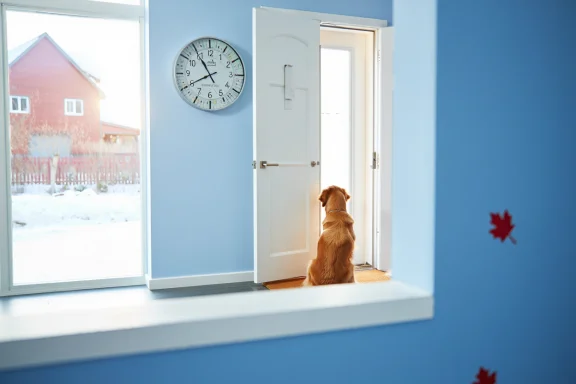
House training your dog in Canada comes with unique challenges that dog owners in warmer climates never face. Whether you’re dealing with -30°C Prairie winters, cramped Toronto condos, or Vancouver’s endless rain, getting your furry friend house trained requires strategies that work in our Great White North.
The good news? With the right approach, most dogs can be successfully house trained within 4-6 months, regardless of Canada’s seasonal challenges. Let’s dive into proven methods that work from coast to coast to coast.
Understanding Your Dog’s Natural Instincts
Dogs are naturally clean animals who prefer not to soil their living space. This instinct is your biggest ally in house training success. Most puppies develop bladder control around 12-16 weeks of age, though smaller breeds may take longer due to their tiny bladders.
In Canada, we need to work with – not against – our climate realities. That means having indoor backup plans during blizzards and understanding that your dog’s bathroom schedule might shift during those long winter nights.
The Foundation: Establishing a Routine
Morning Schedule (6:00-8:00 AM)
- First potty break within 15 minutes of waking
- Post-breakfast trip outside (20-30 minutes after eating)
- Mid-morning break for puppies under 6 months
Daytime Pattern
- Every 2-3 hours for adult dogs
- Every 1-2 hours for puppies
- Immediately after meals, naps, and play sessions
Evening Wind-Down (6:00-10:00 PM)
- Post-dinner potty break
- Final outdoor trip before bedtime
Pro Tip for Canadian Winters: During extreme weather warnings (-35°C or below), have indoor alternatives ready. Pee pads near the door can save your sanity during those brutal February cold snaps.
Troubleshooting Common Accidents
Frequent Indoor Accidents
If your dog is having multiple accidents daily, consider these factors:
- Medical Issues: Schedule a vet check to rule out UTIs or other health problems
- Schedule Problems: You might be waiting too long between potty breaks
- Incomplete Training: Your dog hasn’t fully grasped where the bathroom is located
Nighttime Accidents
Canadian puppies face unique challenges during our long winter nights. Here’s how to tackle overnight issues:
- Limit water intake 2 hours before bedtime
- Use a crate appropriately sized (big enough to stand and turn, not big enough for a bathroom corner)
- Set a middle-of-the-night alarm for young puppies (gradually extend the time)
Apartment and Condo Challenges
Urban Canadian dog owners face special hurdles. If you’re in a high-rise building:
- Elevator Training: Practice calm elevator rides before accidents happen
- Designated Outdoor Spots: Find the closest appropriate area and stick to it
- Emergency Indoor Solutions: Artificial grass pads or pee pad stations for extreme weather
Crate Training for House Training Success
Crate training accelerates house training because dogs won’t soil their sleeping area. Here’s the Canadian approach:
Choosing the Right Crate Size
- Too Big: Creates a bathroom corner away from sleeping area
- Too Small: Causes anxiety and discomfort
- Just Right: Room to stand, turn around, and lie down comfortably
Winter Crate Considerations
Position crates away from drafty windows and doors. Canadian winters are harsh enough without making your dog’s safe space cold and uncomfortable.
Crate Schedule Integration
- Morning: Immediate potty break upon release
- Daytime: Use for scheduled naps and when unsupervised
- Evening: Wind-down time before final potty break
Canadian-Specific Solutions
Extreme Weather Strategies
When Environment Canada issues extreme weather warnings:
- Indoor Backup Systems: Pee pads, artificial grass, or litter boxes
- Covered Outdoor Areas: Utilize apartment balconies or covered patios when possible
- Quick Relief Spots: Identify the closest outdoor area for emergency trips
Urban vs. Rural Training
City Dogs: Focus on leash manners and designated relief areas Country Dogs: Establish boundaries and recall training for safe outdoor freedom
Seasonal Adjustments
- Spring Thaw: Watch for increased marking behavior as scents emerge
- Summer: Ensure adequate shade and water during longer outdoor sessions
- Fall: Maintain routine as daylight decreases
- Winter: Adjust schedule for shorter daylight hours and extreme temperatures
Advanced Troubleshooting Techniques
Regression Issues
If your previously house-trained dog starts having accidents:
- Stress Factors: Moving, new family members, schedule changes
- Health Changes: Age-related issues, medication side effects
- Environmental Changes: New carpets, cleaning products, or home renovations
Multi-Dog Households
Canadian families often have multiple dogs. Manage house training with:
- Individual Schedules: Each dog gets personal attention
- Separate Crate Training: Prevent accidents from spreading between dogs
- Positive Reinforcement: Reward all dogs for appropriate outdoor behavior
Building Long-Term Success
Successful house training isn’t just about preventing accidents – it’s about building a lifetime of good habits. Here’s how to ensure long-term success:
Consistency is Key
Every family member needs to follow the same rules. Post a schedule on your fridge that includes:
- Feeding times
- Potty break schedule
- Command words (“go potty,” “hurry up”)
- Reward protocols
Positive Reinforcement
Canadian dog trainers emphasize reward-based training. Celebrate success with:
- High-value treats (small pieces of cooked chicken or cheese)
- Enthusiastic praise
- Brief play sessions
- Consistent “good potty” commands
Patience During Setbacks
House training isn’t linear. Expect occasional accidents, especially during:
- Growth spurts in puppies
- Seasonal transitions
- Household changes
- Health issues
Remember, accidents are learning opportunities, not failures.
When to Seek Professional Help
Contact a certified Canadian dog trainer if:
- Your dog is over 6 months old with frequent accidents
- Regression occurs in a previously house-trained dog
- You’re dealing with submissive or excitement urination
- Multiple dogs are having synchronized house training issues
Professional trainers certified through organizations like the Canadian Association of Professional Dog Trainers (CAPDT) can provide personalized strategies for your specific situation.
Conclusion: Your Path to House Training Victory
House training success in Canada requires patience, consistency, and adaptation to our unique climate challenges. Remember that every dog learns at their own pace, but with the right approach, you’ll both master this essential skill.
The key is establishing routines that work with Canadian realities – from prairie blizzards to coastal rain. Stay consistent with your schedule, be patient with setbacks, and celebrate the victories along the way.
Ready to transform your house training journey? Start implementing these strategies today, and remember – every successful potty trip outside is one step closer to a fully house-trained companion who can handle whatever Canadian weather throws your way.