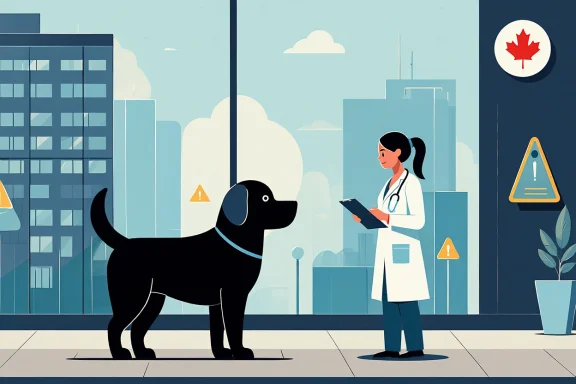
Dog aggression can turn your beloved companion into a source of stress faster than a prairie thunderstorm rolls in. Whether you’re dealing with a rescue pup from the local SPCA or your family dog has suddenly started showing concerning behaviors, understanding when to seek professional help could prevent serious injuries and save your relationship with your furry friend.
From coast to coast, Canadian dog owners face similar challenges with aggressive behaviors. The good news? Most aggression issues are manageable with the right approach and professional guidance.
What Actually Constitutes Dog Aggression?
Dog aggression isn’t just about dramatic snarling and snapping – it’s any behavior intended to increase distance between your dog and a perceived threat. This includes:
- Resource guarding – protecting food, toys, or favorite spots
- Territorial aggression – defending home, yard, or car
- Fear-based aggression – reactive responses to scary situations
- Leash reactivity – aggressive displays while on-leash
- Inter-dog aggression – conflicts with other dogs
- Redirected aggression – attacking the nearest target when frustrated
Think of aggression as your dog’s way of saying “back off” when they feel overwhelmed, threatened, or need to protect something valuable.
The Root Causes: Why Dogs Become Aggressive
Fear and Anxiety
Most aggressive behaviors stem from fear. A dog who missed crucial socialization during their first 16 weeks might view new experiences as threats. This is particularly common with northern rescue dogs who may have had limited exposure to urban environments.
Medical Issues
Pain can turn the gentlest golden retriever into a snappy mess. Before assuming it’s purely behavioral, rule out:
- Hip dysplasia or joint pain
- Dental problems
- Neurological conditions
- Hormonal imbalances
Resource Competition
Dogs naturally protect valuable resources. In multi-dog households across Canada, competition for food, attention, or prime couch spots can trigger guarding behaviors.
Lack of Structure
Dogs thrive with clear boundaries. Without consistent rules, they may take it upon themselves to “manage” situations through aggressive displays.
Types of Aggression Every Canadian Dog Owner Should Know
1. Fear-Based Aggression
Signs: Cowering, trembling, trying to escape before showing aggression Common triggers: Strangers, loud noises (hello, CN Rail!), veterinary visits Management: Never force interactions; create positive associations gradually
2. Territorial Aggression
Signs: Intense barking at windows, aggressive behavior near doorways Canadian context: Particularly common during winter months when dogs spend more time indoors Safety note: This can escalate quickly with delivery personnel and visitors
3. Resource Guarding
Signs: Stiffening over food bowls, growling when approached during meals Risk factors: More common in dogs from shelters or those who experienced food scarcity Immediate action: Never punish – this typically makes guarding worse
4. Leash Reactivity
Signs: Lunging, barking, or snapping while on-leash Canadian challenge: More problematic during winter when sidewalks are narrow and escape routes limited Key insight: Often stems from frustration rather than true aggression
Red Flag Warning Signs: When Professional Help Is Non-Negotiable
Some situations require immediate professional intervention. Don’t wait if you notice:
- Bite incidents involving broken skin or bruising
- Multiple aggressive episodes within a short timeframe
- Escalating intensity – behaviors getting worse despite your efforts
- Unpredictable triggers – aggression seeming to come out of nowhere
- Fear in family members, especially children
- Inability to interrupt the aggressive behavior once it starts
Statistics from the Canadian Veterinary Medical Association show that early intervention significantly improves outcomes for aggressive dogs.
Safety Protocols: Protecting Your Family and Community
Immediate Safety Measures
- Manage the environment – use baby gates, crates, and leashes to prevent incidents
- Avoid triggers while working on solutions
- Never punish aggressive displays – this often makes problems worse
- Ensure everyone in the household knows the safety rules
Emergency Protocols
If an aggressive incident occurs:
- Stay calm – don’t shout or make sudden movements
- Create distance using barriers or by calmly walking away
- Don’t reach for the dog during the incident
- Document what happened – triggers, duration, and intensity
Finding the Right Professional Help in Canada
Types of Dog Training Professionals
Certified Dog Trainers Look for certifications from organizations like the Certification Council for Professional Dog Trainers (CCPDT). These professionals focus on training and behavior modification.
Veterinary Behaviorists Board-certified specialists who can prescribe medication if needed. Available in major cities like Toronto, Vancouver, and Calgary.
Qualified Behavior Consultants Professionals with advanced education in animal behavior who work closely with veterinarians.
Questions to Ask Potential Trainers
- What certifications do you hold?
- How do you handle aggressive behaviors?
- Can you provide references from similar cases?
- Do you use positive reinforcement methods?
- Will you work with my veterinarian if needed?
Red Flags to Avoid
- Trainers who guarantee quick fixes
- Those recommending dominance or punishment-based methods
- Anyone suggesting “alpha rolls” or intimidation techniques
- Professionals unwilling to discuss their methods openly
The Professional Assessment Process
A qualified professional will typically:
- Conduct a thorough history – health, training background, and incident details
- Observe your dog in their home environment
- Assess triggers and thresholds – what sets off the behavior
- Evaluate your family dynamics and handling skills
- Develop a customized training plan with clear milestones
- Provide ongoing support and progress monitoring
Working Successfully with Your Training Professional
Your Role in the Process
- Be honest about incidents and concerns
- Consistent implementation of recommended protocols
- Patient commitment – behavior modification takes time
- Regular communication about progress and setbacks
Realistic Timeline Expectations
- Minor issues: 4-8 weeks with consistent work
- Moderate aggression: 3-6 months of dedicated training
- Severe cases: May require ongoing management for life
Remember, you’re not just training your dog – you’re learning new skills too.
Prevention: Building a Foundation for Success
While dealing with current aggression issues, consider these prevention strategies for the future:
- Early socialization for puppies during their critical period
- Regular veterinary care to catch health issues early
- Consistent training using positive reinforcement methods
- Mental and physical exercise appropriate for your dog’s breed and age
- Stress management during major life changes
Making the Decision: Your Dog’s Quality of Life Matters
Sometimes, despite everyone’s best efforts, a dog’s aggression may be too severe to manage safely. This is heartbreaking but important to acknowledge. A qualified professional can help you evaluate whether your situation is manageable or if you need to consider other options.
Quality of life assessments consider:
- Your dog’s stress levels and overall wellbeing
- Family safety and peace of mind
- Available resources for ongoing management
- Potential for meaningful improvement
Moving Forward with Confidence
Dog aggression doesn’t have to spell the end of your relationship with your four-legged family member. With proper professional guidance, many aggressive dogs learn to navigate their world more successfully.
The key is acting quickly when you notice concerning behaviors, finding qualified help, and committing to the process. Your dog isn’t “bad” – they’re communicating the best way they know how.
Remember, seeking professional help shows responsible pet ownership, not failure. Canadian dog owners who address aggression early often see significant improvements and go on to enjoy many more happy years with their companions.
Ready to take the next step? Contact a qualified dog training professional in your area today. Your dog’s behavior can improve, but it starts with making that important phone call. Don’t wait until someone gets hurt – early intervention is always the best approach.