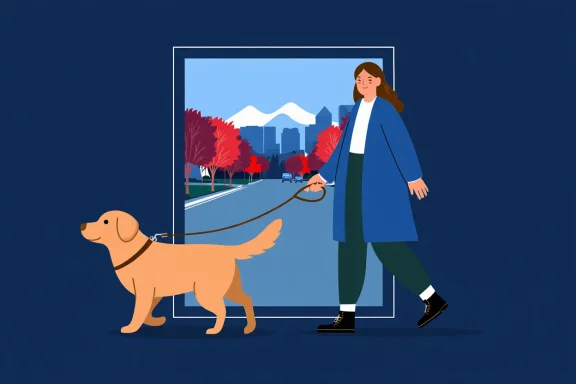
Picture this: You’re heading out for a peaceful evening walk through your neighbourhood, maybe down to the local Tim Hortons or around the block to catch up with neighbours. Instead of enjoying the crisp Canadian air, you’re being dragged down the sidewalk like you’re water skiing behind a snowmobile. Sound familiar? You’re not alone, eh.
Nearly 75% of Canadian dog owners report that their pups pull on leash, turning what should be enjoyable bonding time into a daily wrestling match. The good news? With the right approach and a bit of patience (we Canadians are good at that), you can teach your dog to walk politely on leash, making every outing a pleasure for both of you.
Understanding Why Dogs Pull: It’s Not Just Stubbornness
Before we dive into solutions, let’s understand the root of the problem. Dogs naturally walk faster than humans – while we stroll at about 3-4 km/h, dogs prefer 6-8 km/h. Add to that their curiosity about every interesting smell, sound, and sight, and you’ve got a recipe for pulling.
From your dog’s perspective, pulling works. When they pull toward that fascinating fire hydrant or friendly neighbour, they usually get there eventually. This reinforces the behaviour, creating a cycle that gets stronger over time.
Common Pulling Triggers Canadian Dogs Face:
- Winter salt and de-icer scents on sidewalks
- Other dogs enjoying off-leash time in dog parks
- Wildlife like squirrels and rabbits (especially common in suburban areas)
- Interesting smells from outdoor hockey rinks and community centres
- Seasonal changes that bring new scents and experiences
Essential Equipment: Setting Yourself Up for Success
The right gear makes a world of difference. Here’s what works best for Canadian conditions:
Front-Clip Harnesses: Your Best Friend
Front-clip harnesses redirect your dog’s forward momentum to the side, naturally discouraging pulling. Look for models with:
- Padded chest plates for comfort during long winter walks
- Reflective strips for those early morning or evening walks during our darker months
- Easy-release buckles that work even with winter gloves
Recommended brands available in Canada: Ruffwear Front Range, Blue-9 Balance Harness, or PetSafe EasyWalk.
Proper Leash Selection
Skip the retractable leashes – they actually teach dogs to pull. Instead, choose:
- 6-foot standard leash for urban walking
- Non-slip handle for those icy Canadian mornings
- Lightweight but durable materials that won’t freeze in winter temperatures
What to Avoid
- Prong or shock collars (banned in some Canadian municipalities)
- Choke chains that can cause injury
- Leashes longer than 6 feet for training purposes
The Progressive Training Method: Building Success Step by Step
Phase 1: Indoor Foundation (Week 1-2)
Start inside where distractions are minimal. This is especially helpful during harsh winter months when outdoor training isn’t practical.
The “Follow Me” Exercise:
- Put your dog’s harness and leash on indoors
- Take a few steps and say “let’s go” in an upbeat voice
- When your dog follows, immediately praise and treat
- Practice 5-10 minutes daily, making it fun and rewarding
Key tip: Use high-value treats – maybe small pieces of Canadian-made freeze-dried liver or cheese.
Phase 2: Doorway Training (Week 2-3)
The transition from indoors to outdoors is crucial. Many dogs get overstimulated the moment they step outside.
The “Wait at Doors” Protocol:
- Approach the door with your dog on leash
- If they pull toward the door, stop and wait
- Only open the door when the leash is loose
- Step outside first, then invite your dog to follow
This establishes you as the leader and sets expectations before the walk even begins.
Phase 3: Outdoor Implementation (Week 3+)
Now for the real deal – actual neighbourhood walks.
The Stop-and-Go Technique:
- Start walking at a normal pace
- The moment you feel tension on the leash, stop immediately
- Don’t move forward until the leash relaxes
- Praise and continue walking when your dog releases pressure
The Direction Change Method: When your dog pulls ahead:
- Quickly change direction 180 degrees
- Use an upbeat “let’s go!” to encourage them to follow
- Reward when they catch up and the leash goes slack
- Resume your original direction
Troubleshooting Common Canadian Challenges
Winter Walking Woes
Cold weather presents unique challenges:
- Salt sensitivity: Rinse paws after walks and consider protective booties
- Shorter daylight: Use reflective gear and LED collars for safety
- Ice and snow: Adjust your pace and expectations on slippery surfaces
- Bundled humans: Practice leash handling while wearing winter gloves
Spring Excitement Overload
After months of limited outdoor time, spring can overwhelm dogs:
- Start with shorter walks to rebuild stamina
- Expect more pulling toward interesting smells after winter
- Gradually increase walk duration as fitness improves
Dealing with Distractions
Canadian neighbourhoods are full of tempting distractions:
For Wildlife Encounters:
- Practice the “look at me” command using treats
- Increase distance from the distraction while training
- Reward calm behaviour around squirrels, rabbits, and birds
For Other Dogs:
- Cross the street if your dog is reactive
- Use the “wait” command to pause until the other dog passes
- Reward attention to you instead of the other dog
Advanced Techniques for Persistent Pullers
The Penalty Yard Method
When your dog pulls:
- Immediately back up 10 steps (your “penalty yard”)
- Start walking forward again
- Repeat every time they pull
- This teaches that pulling moves them away from their goal
The Red Light, Green Light Game
Make training fun while building impulse control:
- Green light: Walk normally when leash is loose
- Yellow light: Slow down when you feel slight tension
- Red light: Stop completely when they pull
- Only proceed on “green light” behaviour
Building Long-Term Success
Consistency is Key
Every family member needs to follow the same rules. Create a simple household guide:
- No forward movement when the dog pulls
- Always reward loose-leash walking
- Practice daily, even if just for 5 minutes
Realistic Expectations
Remember that leash training takes time:
- Puppies: 4-6 weeks for basic improvement
- Adult dogs: 6-12 weeks depending on how ingrained the pulling habit is
- Senior dogs: May take longer but are often more focused learners
Maintenance Training
Even well-trained dogs need occasional refreshers:
- Practice in new environments regularly
- Reward good behaviour throughout their life
- Address pulling immediately if it starts creeping back
When to Seek Professional Help
Consider working with a professional dog trainer if:
- Your dog shows aggressive behaviour toward other dogs or people on walks
- Pulling is so severe it causes you physical pain or injury
- Your dog panics or shuts down when wearing training equipment
- You’re not seeing improvement after 8-10 weeks of consistent training
Look for trainers certified by the Canadian Association of Professional Dog Trainers (CAPDT) who use positive reinforcement methods.
Making Every Walk a Success Story
Leash training isn’t just about stopping pulling – it’s about creating positive experiences that strengthen your bond with your dog. When walks become enjoyable, you’re more likely to provide the daily exercise and mental stimulation your dog needs to be happy and healthy.
Start with short, successful training sessions and gradually build up to longer adventures. Before you know it, you’ll be enjoying peaceful strolls through your neighbourhood, maybe even stopping for a patio visit at your local coffee shop or exploring new trails together.
Remember, every dog learns at their own pace. Stay patient, stay consistent, and celebrate small victories along the way. Your future self (and your shoulders) will thank you for putting in the effort now.
Ready to transform your daily walks? Start with just 5 minutes of indoor practice today. Grab some tasty treats, put on that harness, and begin building the foundation for years of enjoyable walks together. Your dog is waiting to learn – they just need you to show them the way.