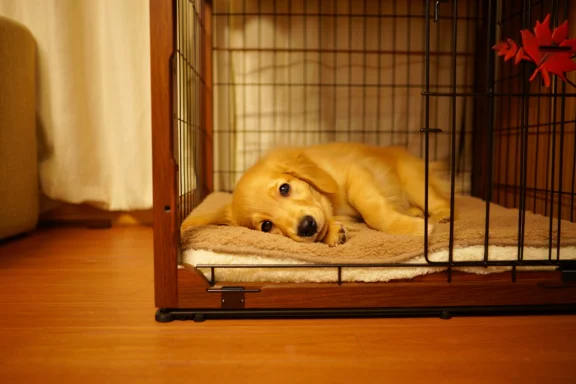
Picture this: it’s -30°C outside in Winnipeg, your dog is anxiously pacing while you’re at work, and your neighbour just texted about “unusual sounds” from your apartment. Sound familiar? You’re not alone, eh. Thousands of Canadian dog owners face the same challenge – creating a secure, comfortable environment for their furry family members.
Crate training isn’t about punishment or confinement. It’s about giving your dog what every Canadian needs during our long winters: a cozy, secure space they can call their own. Just like how we retreat to our favourite corner of the couch with a double-double, dogs crave their own den-like sanctuary.
The Science Behind Your Dog’s Den Instinct
Dogs are naturally den animals. In the wild, they seek out small, enclosed spaces for safety and rest. Your crate taps into this primal instinct, creating an environment where your dog feels genuinely secure.
According to recent studies by the Canadian Veterinary Medical Association, properly crate-trained dogs show significantly lower stress indicators compared to dogs without designated safe spaces. This is particularly relevant for Canadian dogs who spend extended periods indoors during our harsh winters.
Key Benefits That Matter to Canadian Dog Owners
House Training Acceleration
- Reduces accidents by 70% within the first month
- Particularly valuable during spring mud season when outdoor access is limited
- Creates predictable bathroom schedules despite weather conditions
Travel Safety and Compliance
- Required for Air Canada pet transport regulations
- Essential for safe car travel across provincial highways
- Reduces motion sickness during long cottage trips
Anxiety Reduction
- Provides comfort during thunderstorms and fireworks (hello, Victoria Day!)
- Helps manage separation anxiety while you’re at work
- Creates calm space during holiday gatherings with extended family
Choosing the Right Crate Size: Getting It Right the First Time
Here’s where many Canadian dog owners make expensive mistakes. That adorable Golden Retriever puppy you brought home in February? They’ll be 30 kilograms by Canada Day. Plan accordingly.
The Golden Rule of Crate Sizing
Your dog should be able to:
- Stand up without hitting their head
- Turn around comfortably
- Lie down with legs fully extended
Measuring Guide for Popular Canadian Breeds:
- Labrador Retriever: 106cm L x 71cm W x 76cm H
- Golden Retriever: 122cm L x 76cm W x 84cm H
- German Shepherd: 122cm L x 76cm W x 84cm H
- Border Collie: 91cm L x 58cm W x 66cm H
Pro tip from Calgary trainers: If you’re buying for a puppy, get the adult size and use dividers to create an appropriately sized space. It’ll save you hundreds of dollars over your dog’s growth period.
Step-by-Step Crate Introduction: The Canadian Way
Week 1: Making Friends with the Crate
Start during a long weekend when you can dedicate time to the process. Remove the door entirely and place the crate in your main living area.
Daily Activities:
- Feed all meals inside the crate
- Hide high-value treats (like bits of Canadian bacon) inside
- Place favourite toys and blankets inside
- Never force your dog into the crate
Week 2: Door Training
Once your dog enters willingly for meals, begin closing the door for short periods.
Progressive Timeline:
- Day 1-2: Close door for 5 minutes during meals
- Day 3-4: Extend to 10 minutes after eating
- Day 5-7: Work up to 30 minutes with the door closed
Week 3: Building Independence
Start leaving the house for brief periods while your dog is crated.
Gradual Departure Schedule:
- 5 minutes: Quick trip to get mail
- 15 minutes: Run to Tim Hortons
- 30 minutes: Grocery store dash
- 1 hour: Full errands run
Common Mistakes That Cost Canadian Dog Owners
The “Prison” Mentality
Never use the crate as punishment. Your dog should view it as their personal retreat, not doggy jail. This is especially important during those long Canadian winters when indoor time increases.
Ignoring Weather Considerations
Position your crate away from heat registers and air conditioning vents. Our extreme temperature swings can make dogs uncomfortable in poorly positioned crates.
Size Miscalculations
Too small creates stress; too large defeats the house training purpose. When in doubt, consult with local trainers who understand breed-specific needs in Canadian climates.
Troubleshooting: When Things Don’t Go According to Plan
The Whiner
If your dog vocalizes in the crate, resist the urge to immediately let them out. Wait for 10-15 seconds of quiet before opening the door. Consistency is key – just like maintaining your winter exercise routine despite the cold.
The Escape Artist
Some dogs become determined to break out. Ensure your crate is sturdy enough for your dog’s strength and determination. Invest in quality – cheap crates often create more problems than they solve.
The Anxiety Case
For dogs with severe anxiety, consider consulting with professional trainers. Organizations like Canine Harmony Training in Calgary specialize in helping anxious dogs adapt to crate training through positive reinforcement techniques.
Making It Work in Small Canadian Spaces
Living in a Toronto condo or Vancouver apartment? Space is premium, but crate training is still possible.
Space-Saving Solutions:
- Choose collapsible crates for easy storage
- Position near a window for natural light
- Use crate covers to create den-like atmosphere
- Consider furniture-style crates that double as end tables
Travel Applications: From Coast to Coast
Crate training pays massive dividends when travelling across our vast country. Whether you’re driving to the Maritimes or flying to the Yukon, a crate-trained dog adapts easier to new environments.
Travel Checklist:
- Familiar blankets and toys for comfort
- Health certificates for interprovincial travel
- Emergency contact information for your veterinarian
- Backup identification tags with travel contact numbers
The Bottom Line: Investment in Peace of Mind
Proper crate training is like buying good winter boots – it’s an investment that pays dividends every single day. Your dog gets a secure sanctuary, you get peace of mind, and your furniture stays intact during those long Canadian winters.
The key is patience, consistency, and understanding that every dog adapts at their own pace. Some take to crates immediately, others need several weeks of gentle encouragement.
Start the process during a time when you can be consistent – maybe during March break or a summer vacation. Your future self (and your dog) will thank you when storm season rolls around or when you’re planning that cross-country road trip.
Ready to give your dog the gift of their own secure space? Begin with proper sizing, invest in quality equipment, and remember – slow and steady wins the race, just like a good Canadian hockey game.