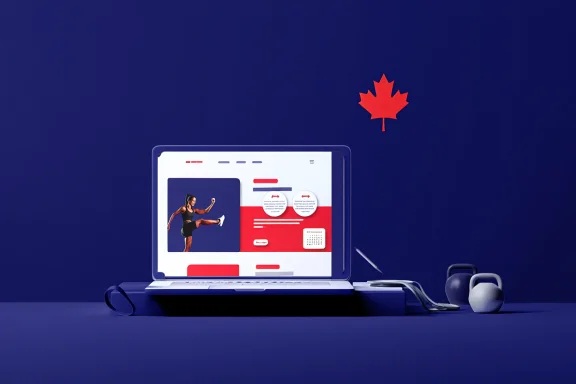
Your homepage is like that first rep at the gym – it sets the tone for everything that follows. For Canadian personal trainers competing in a market worth over $2.8 billion annually (according to Statistics Canada), having a website that converts visitors into paying clients isn’t just nice to have – it’s essential for survival.
Whether you’re training clients in a Vancouver high-rise gym or running outdoor boot camps in Halifax, your homepage needs to work harder than a Zamboni driver during overtime. Let’s break down exactly what elements will turn your digital storefront into a client-generating machine.
The Hero Section: Make That First Impression Count
Your hero section is prime real estate – think of it as the CN Tower of your website. Within 3 seconds, visitors should know exactly what you do and why they should care.
Essential Hero Elements:
- Clear headline stating your specialty (weight loss, strength training, seniors fitness)
- Professional photo of you in action – not a stock photo that screams “generic trainer”
- Location-specific messaging (“Serving Toronto’s Financial District” or “Mobile training across Calgary”)
- Prominent call-to-action button (more on this later)
Consider seasonal messaging too. During those brutal January months when everyone’s making resolutions, highlight your New Year transformation programs. Come summer, pivot to beach body prep or outdoor training options.
Service Descriptions That Actually Sell
Generic service listings are about as exciting as watching paint dry in a Regina winter. Your services section needs to speak directly to your ideal client’s pain points and goals.
Structure Your Services Like This:
Personal Training Programs
Don’t just list “one-on-one training.” Get specific: “Personalized strength training for busy professionals who want results without spending their entire evening at the gym.” Include session lengths, typical client results, and what makes your approach unique.
Group Fitness Classes
Highlight the community aspect – Canadians love that team mentality. Mention class sizes (intimate groups of 6-8 work well in smaller markets like Saskatoon), difficulty levels, and any specialized equipment you provide.
Virtual Training Options
Post-2020, online training isn’t optional anymore. With Canadian internet speeds averaging 67 Mbps, most clients can handle quality video sessions. Outline your tech requirements, session formats, and how you maintain accountability remotely.
Client Testimonials: Social Proof That Works
Testimonials are worth their weight in gold – or hockey pucks, if you prefer. But generic “John lost 20 pounds” testimonials won’t cut it in 2025.
Effective Testimonial Elements:
- Full names and photos (with permission)
- Specific, measurable results
- Before/after photos when appropriate
- Location mentions (“As a shift worker in Fort McMurray, finding time to train was impossible until…”)
- Timeframes for results achieved
Pro Tip: Include testimonials that address common Canadian concerns like training through winter months, working around hockey schedules, or maintaining fitness during cottage season.
Booking Systems: Make It Easier Than Ordering Double-Double
Your booking system should be smoother than a freshly resurfaced rink. Complicated scheduling processes kill conversions faster than a playoff loss kills a Canadian’s mood.
Must-Have Booking Features:
Real-Time Availability
Show actual open slots, not just “contact us to schedule.” Canadians are busy juggling work, family, and trying to catch the latest Raptors game – make booking effortless.
Multiple Payment Options
Accept e-transfer (it’s practically the Canadian dollar at this point), credit cards, and consider newer options like PayBright for payment plans. HST/GST calculations should be automatic and clearly displayed.
Package Options
Offer single sessions, multi-session packages, and monthly unlimited options. Price these strategically – most Canadian personal trainers charge $60-120 per session depending on location and specialization.
Cancellation Policy
Be clear about your 24-hour cancellation policy. Include it right in the booking flow to avoid awkward conversations later.
Trust Signals and Credentials
Canadian fitness consumers are increasingly educated about trainer qualifications. Display your certifications prominently:
- ACSM, NASM, CSEP certifications
- CPR/First Aid current certification
- Specialized training (corrective exercise, nutrition coaching)
- Insurance coverage details
- Years of experience and client success stories
If you’re registered with Fitness Industry Council of Canada or provincial fitness organizations, mention it. These affiliations build instant credibility.
Local SEO Elements That Get You Found
Your homepage needs to work for local search. When someone searches “personal trainer near me” in Winnipeg, you want to show up.
Local SEO Homepage Elements:
- City/neighbourhood names in your main headline
- Service area map or list of locations you serve
- Local landmark references in your content
- Canadian phone number format (xxx-xxx-xxxx)
- Address in footer with proper postal code formatting
Contact Information That Builds Confidence
Make contacting you easier than finding a Tim Hortons in any Canadian city. Include:
- Multiple contact methods (phone, email, contact form)
- Business hours clearly stated
- Response time expectations (“We respond within 2 hours during business days”)
- Physical location or service area
- Social media links to active profiles
Call-to-Action Strategy That Converts
Your CTAs should be more compelling than free healthcare (which, let’s face it, is pretty compelling). Use action-oriented language that creates urgency without being pushy.
Effective CTA Examples:
- “Book Your Complimentary Fitness Assessment”
- “Start Your Transformation Journey Today”
- “Claim Your Free Strategy Session”
Place CTAs strategically throughout your homepage – after testimonials, in your hero section, and following service descriptions. Test different colours and wording to see what resonates with your audience.
Technical Considerations for Canadian Audiences
Ensure your website loads quickly even in rural areas with slower internet connections. Use Canadian hosting services when possible for faster load times, and optimize images for mobile devices – over 60% of Canadian web traffic comes from mobile devices.
Include accessibility features like alt text for images and proper heading structures. It’s not just good practice – it shows you care about serving all potential clients, including those with disabilities.
Wrapping It Up
Building an effective personal trainer homepage isn’t about fancy animations or the latest design trends – it’s about clearly communicating your value and making it easy for potential clients to take the next step.
Focus on solving problems, showcasing results, and removing friction from the client journey. Your homepage should work as hard as you do during a HIIT session, converting casual browsers into committed clients who’ll help you build a thriving fitness business from coast to coast to coast.
Ready to transform your homepage into a client-generating machine? Start with one section at a time, test what works with your specific audience, and remember – like any good workout routine, consistency beats perfection every time.