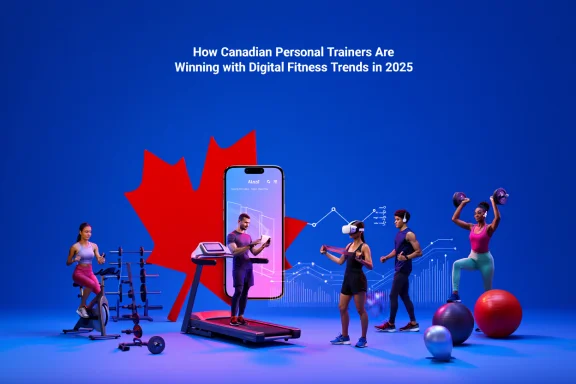
The fitness landscape in Canada has transformed dramatically, eh? From the bustling gyms of Toronto to the outdoor fitness scenes in Vancouver, personal trainers across the country are embracing digital innovation like never before. Whether you’re a seasoned trainer in Montreal or just starting your fitness business in Halifax, understanding these 2025 digital trends isn’t just helpful—it’s essential for staying competitive in our rapidly evolving market.
The pandemic may be in our rearview mirror, but its impact on how Canadians approach fitness continues to shape the industry. Remote work culture has stuck around, seasonal challenges remain real (because let’s face it, January workouts in Winnipeg hit different), and clients expect seamless digital experiences that complement their busy lifestyles.
The Rise of Hybrid Training Platforms
Virtual-Physical Integration is the New Standard
Canadian fitness professionals are no longer choosing between in-person or online training—they’re mastering both. Platforms like TrueCoach and MyFitnessPal Pro have become essential tools, but the real game-changers are integrated systems that handle everything from client onboarding to progress tracking.
Key Features Trainers Need in 2025:
- Real-time form correction through AI video analysis
- Seasonal workout adjustments (because outdoor training in February in Edmonton requires different planning than July in Victoria)
- Bilingual support for Quebec and francophone communities
- Integration with Canadian health apps and provincial health programs
Smart trainers are using platforms that automatically adjust workout intensity based on local weather data. When Environment Canada shows -30°C in Saskatoon, the app suggests indoor alternatives without missing a beat.
Wearable Technology Integration
The Apple Watch and Fitbit aren’t just step counters anymore—they’re becoming central to personalized training programs. Canadian trainers are leveraging heart rate variability data, sleep quality metrics, and even stress indicators to customize workouts that fit their clients’ actual recovery capacity.
Statistics Canada reported that 67% of Canadians now use some form of fitness tracking technology. That’s a massive opportunity for trainers who can interpret this data meaningfully and adjust programs accordingly.
AI-Powered Personalization
Smart Programming That Actually Works
Artificial intelligence in fitness isn’t science fiction anymore—it’s happening right now in Canadian gyms and home studios. AI-powered platforms can analyze movement patterns, predict injury risks, and suggest program modifications with impressive accuracy.
Real-World Applications:
- Movement analysis through smartphone cameras
- Automatic exercise progression based on performance data
- Nutritional recommendations that consider Canadian food availability and pricing
- Recovery optimization using sleep and stress data
The most successful Canadian trainers in 2025 aren’t being replaced by AI—they’re using it to enhance their expertise and provide better service than ever before.
Social Media Strategy Evolution
Beyond Instagram: Platform Diversification
While Instagram remains important, savvy Canadian trainers are diversifying their social presence. TikTok’s algorithm favours fitness content, LinkedIn is goldmine for corporate wellness opportunities, and YouTube continues to be the king of long-form educational content.
Platform-Specific Strategies for Canadian Trainers:
- TikTok: Quick workout demos, debunking fitness myths, and Canadian fitness culture content
- LinkedIn: Corporate wellness partnerships, professional development content
- YouTube: Detailed workout guides, client success stories, seasonal fitness challenges
- Facebook: Community building, local event promotion, and client testimonials
Content That Resonates with Canadian Audiences
The most successful fitness content speaks to uniquely Canadian experiences. Winter workout strategies, managing fitness during long commutes in cities like Calgary, and adapting training for shift workers in industries like oil and gas or healthcare.
Content that performs well includes references to Canadian fitness challenges: staying active during polar vortexes, making the most of short summer seasons, and working around hockey practice schedules.
Virtual Reality and Immersive Training
The Next Frontier in Home Fitness
VR fitness isn’t just for tech enthusiasts anymore. Canadian companies like Black Box VR are creating immersive training experiences that make home workouts engaging and effective. Personal trainers are incorporating VR elements into their programs, especially for clients in remote communities where gym access is limited.
The technology is particularly valuable for trainers working with clients in Northern communities, where seasonal affective disorder and limited daylight hours make traditional outdoor activities challenging during winter months.
Data-Driven Business Growth
Analytics That Drive Real Results
Successful Canadian fitness professionals are becoming data analysts. They’re tracking not just client progress, but business metrics that matter: client retention rates, seasonal booking patterns, and revenue per square foot in physical locations.
Key Metrics Canadian Trainers Track in 2025:
- Client lifetime value and retention rates
- Seasonal revenue fluctuations and planning
- Digital engagement rates across platforms
- Equipment utilization and space efficiency
- Provincial health program integration success
Building Sustainable Digital Business Models
The most successful trainers have moved beyond hourly billing to create scalable income streams. They’re offering subscription-based coaching, digital course sales, and corporate wellness contracts that provide steady revenue year-round.
Many are partnering with Canadian healthcare providers and insurance companies, as workplace wellness programs become increasingly important for companies managing hybrid workforces.
Future-Proofing Your Fitness Business
The fitness industry will continue evolving, but trainers who embrace these digital trends while maintaining the personal connection that Canadian clients value will thrive. The key isn’t choosing between high-tech and high-touch—it’s finding the perfect balance that serves your unique client base.
Whether you’re training Bay Street executives who need efficient lunch-hour workouts or helping families in suburban Calgary stay active year-round, these digital tools can enhance your effectiveness and grow your business.
Ready to upgrade your digital game? Start by choosing one platform or technology that aligns with your current client needs, master it completely, then gradually expand your digital toolkit. Your future self (and your bank account) will thank you.