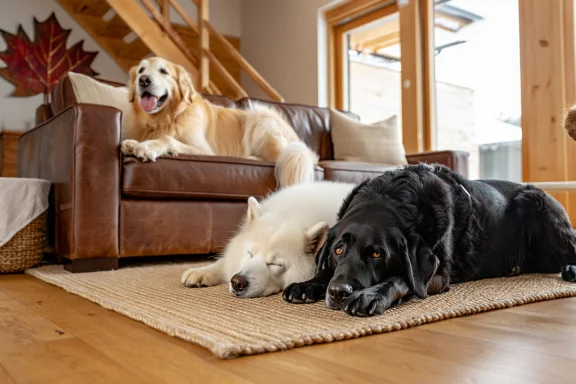
Managing multiple dogs in one household can feel like refereeing a hockey game – exciting when things go smoothly, but chaotic when tensions rise. Whether you’re in a cozy Toronto condo or a sprawling Alberta ranch, introducing a new dog to your existing pack requires careful planning and patience.
Statistics Canada data shows that approximately 38% of Canadian households own dogs, with many families choosing to welcome multiple furry companions. While the joy of watching dogs play together is unmatched, multi-dog households face unique challenges that require strategic management.
Understanding Pack Dynamics in Modern Canadian Homes
The Reality of Domestic Dog Relationships
Unlike their wild cousins, domestic dogs don’t naturally form hierarchical packs. Instead, they develop complex relationships based on resources, space, and individual personalities. In Canadian homes where dogs spend significant time indoors during harsh winters, these dynamics become even more crucial.
Key factors influencing dog relationships:
- Available space and territory
- Resource distribution (food, toys, attention)
- Individual temperaments and energy levels
- Age and size differences
- Previous socialization experiences
Seasonal Considerations for Canadian Dog Owners
Winter months in Canada can intensify household tensions as dogs spend more time confined indoors. The shorter daylight hours and reduced exercise opportunities can lead to pent-up energy and increased competition for attention and space.
Introducing a New Dog: The Foundation of Success
Pre-Introduction Preparation
Before bringing home your new companion, set up separate spaces for each dog. This is especially important in smaller Canadian urban spaces where every square metre counts.
Essential preparation steps:
- Create separate feeding areas
- Establish individual sleeping spaces
- Purchase duplicate toys and resources
- Dog-proof common areas
- Plan neutral meeting locations
The Gradual Introduction Process
Week 1: Parallel Lives Keep dogs separated while they adjust to each other’s presence. Feed them on opposite sides of a closed door, allowing them to associate positive experiences with the other dog’s scent.
Week 2: Controlled Visual Contact Use baby gates or exercise pens to allow visual contact during calm activities. Reward relaxed behaviour with treats and praise.
Week 3: Supervised Interactions Begin short, supervised meetings in neutral territory – perhaps a local park or quiet street in your neighbourhood. Keep initial interactions brief and positive.
Managing Resource Competition
Feeding Strategies for Harmony
Resource guarding around food is one of the most common issues in multi-dog households. Implement structured feeding routines to prevent competition.
Effective feeding protocols:
- Feed dogs in separate rooms or crates
- Use identical bowls and portions when possible
- Establish consistent meal times
- Remove bowls immediately after eating
- Never allow free-feeding with multiple dogs
Toy and Attention Management
Canadian winters mean more indoor time, making toy management crucial for household peace. Rotate toys regularly and provide each dog with their own special items.
Best practices for resource distribution:
- Provide multiple water stations throughout the house
- Offer individual chew toys and bones
- Create separate cozy spaces for each dog
- Schedule one-on-one attention time with each pet
Conflict Resolution and Prevention
Recognizing Early Warning Signs
Understanding canine body language prevents minor disagreements from escalating into serious conflicts. Watch for subtle signs of tension before they become obvious.
Warning signals to monitor:
- Stiff body posture or frozen movements
- Resource blocking (standing over food/toys)
- Excessive staring or hard eye contact
- Lip lifting or low growling
- Displacement behaviours (excessive panting, yawning)
De-escalation Techniques
When tensions rise, quick intervention prevents conflicts from intensifying. Redirect attention rather than punishing the behaviour.
Immediate de-escalation strategies:
- Create distance between dogs calmly
- Redirect attention to training commands
- Use positive interruption techniques
- Remove triggers from the environment
- Provide individual cool-down spaces
Exercise and Mental Stimulation Strategies
Managing Energy in Canadian Weather
Our Canadian climate requires creative solutions for exercise and mental stimulation. Bored dogs are more likely to create their own entertainment, often leading to household conflicts.
Year-round exercise solutions:
- Indoor agility courses during winter months
- Puzzle toys and food-dispensing games
- Stair climbing exercises in apartments
- Interactive training sessions
- Dog-friendly indoor facilities across major Canadian cities
Individual vs. Group Activities
Balance group activities that build positive associations with individual exercise that prevents competition and allows each dog to decompress.
Professional Support in Canada
When to Seek Help
Sometimes professional intervention is necessary. Canada has excellent certified dog trainers and behaviourists available coast to coast.
Signs you need professional help:
- Aggressive incidents between dogs
- Resource guarding that doesn’t improve
- One dog consistently bullying another
- Stress-related behaviours increasing
- Family members feeling unsafe
Finding Qualified Professionals
Look for trainers certified through organizations like the Certification Council for Professional Dog Trainers (CCPDT) or the Canadian Association of Professional Pet Dog Trainers. Many provinces have local trainer networks that can provide referrals.
Long-term Success Strategies
Building Positive Associations
Create opportunities for your dogs to have good experiences together. Joint walks, training sessions where both dogs succeed, and calm parallel activities help build positive relationships.
Maintaining Individual Relationships
Don’t forget to nurture your relationship with each dog individually. One-on-one training, walks, and cuddle time ensure each dog feels valued and secure in their place within your family.
Adapting to Life Changes
Canadian families often experience seasonal lifestyle changes that affect dog routines. Whether it’s cottage season in Ontario or ski season in British Columbia, maintaining consistency in multi-dog management is key to ongoing success.
Conclusion
Successfully managing a multi-dog household requires patience, consistency, and understanding of canine behaviour. By providing adequate resources, managing introductions carefully, and staying alert to potential conflicts, Canadian dog owners can create harmonious homes where multiple dogs thrive together.
Remember that every dog is unique, and what works for one household might need adjustment for another. The key is remaining flexible while maintaining clear boundaries and expectations for all family members – both two-legged and four-legged.
Ready to create harmony in your multi-dog household? Contact Canine Harmony Training at 403-582-9471 for personalized guidance tailored to your family’s specific needs. Our Calgary-based team specializes in multi-dog household management and can help you build the peaceful, happy home your dogs deserve.