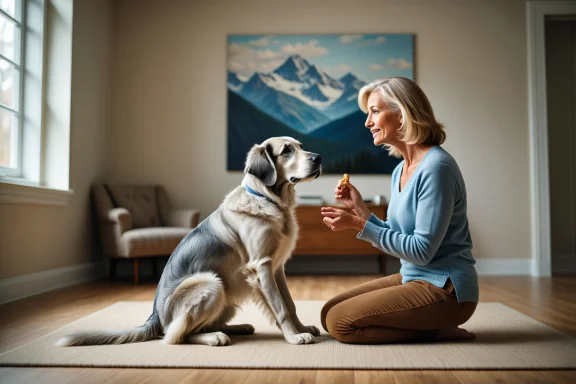
Your 10-year-old Golden Retriever isn’t the spry pup who used to chase tennis balls across Calgary’s Prince’s Island Park anymore. Maybe your old Border Collie is moving a bit slower on those Bow River walks, or your senior rescue is struggling to adapt to new routines. Here’s the good news: age is just a number when it comes to canine learning.
Senior dogs—typically those over seven years old—can absolutely learn new behaviours and modify existing ones. The key is understanding their unique needs and adapting your training approach accordingly. Whether you’re dealing with cognitive changes, physical limitations, or simply want to keep your aging companion mentally sharp, the right techniques can make all the difference.
Understanding the Senior Dog Mind and Body
Physical Changes That Affect Training
As dogs age, their bodies undergo significant changes that directly impact how they learn and respond to training. Joint stiffness from arthritis affects about 65% of dogs over seven years old, according to veterinary studies. This means your senior dog might struggle with commands that require quick movements or prolonged sitting.
Vision and hearing decline are equally common. Your dog might not see hand signals as clearly or hear verbal commands from across the room. These sensory changes don’t mean training becomes impossible—they simply require adjustments to your communication style.
Cognitive Considerations in Senior Dogs
Canine cognitive dysfunction (CCD) affects approximately 28% of dogs aged 11-12 and over 68% of dogs aged 15-16. Signs include:
- Disorientation or confusion
- Changes in sleep patterns
- Decreased interaction with family members
- Increased anxiety or restlessness
- Forgetting previously learned behaviours
Understanding these changes helps set realistic expectations and choose appropriate training methods.
Adapting Training Techniques for Success
Gentle Physical Modifications
Shorter, More Frequent Sessions Replace those 30-minute training marathons with 5-10 minute sessions throughout the day. Senior dogs tire more easily, and shorter sessions prevent mental fatigue while maintaining engagement.
Comfortable Positioning If sitting becomes uncomfortable due to joint issues, teach alternative positions like “stand” or “down” on soft surfaces. Many Canadian pet stores now carry orthopedic training mats specifically designed for older dogs.
Low-Impact Commands Focus on commands that don’t stress aging joints. Instead of “jump up,” teach “gentle paws” for greeting. Replace vigorous “shake” commands with subtle “touch” exercises using their nose or paw.
Sensory-Friendly Communication
Enhanced Visual Cues Use larger, more deliberate hand signals. Consider adding reflective tape to training tools for dogs with diminished vision. Many trainers in cities like Vancouver and Montreal now use LED collars during evening training sessions.
Clear Verbal Commands Speak slower and louder (but not shouting) for hearing-impaired dogs. Use consistent tone and pitch. Some owners find success with whistle training, as higher frequencies can be easier for some dogs to hear.
Multi-Sensory Approaches Combine visual, auditory, and tactile cues. Touch your dog gently while giving commands to help them understand what you’re asking.
Mental Enrichment for Aging Minds
Cognitive Games and Puzzles
Keep senior minds sharp with age-appropriate brain games:
Scent Work Hide treats around the house or use puzzle feeders. Scent work is perfect for senior dogs because it relies on their strongest sense and doesn’t require physical agility.
Simple Problem-Solving Introduce basic puzzle toys designed for senior dogs. Start easy and gradually increase difficulty based on your dog’s cognitive abilities.
Routine Variations Gentle changes to walking routes or feeding locations can provide mental stimulation without overwhelming an aging brain.
Building on Existing Knowledge
Rather than teaching completely new behaviours, focus on refining and adapting commands your senior dog already knows. If “sit” becomes uncomfortable, modify it to “easy sit” with a raised surface or cushion.
Managing Common Senior Dog Challenges
Addressing Regression in House Training
Senior dogs sometimes forget house training due to cognitive changes or physical issues like decreased bladder control. Respond with patience:
- Return to puppy-style frequent outdoor breaks
- Use washable rugs near doors
- Consider doggy diapers for severe cases
- Never punish accidents—clean up calmly and redirect
Dealing with Increased Anxiety
Many senior dogs develop separation anxiety or general fearfulness. Training can help:
- Practice short departures and returns
- Create positive associations with being alone
- Use calming aids like thundershirts or pheromone diffusers
- Maintain consistent routines to reduce confusion
When to Seek Professional Help
Consider consulting a professional dog trainer or veterinary behaviourist if:
- Your senior dog shows sudden behavioural changes
- Anxiety or confusion worsens significantly
- Physical limitations make basic care difficult
- You’re struggling to adapt training methods effectively
Many Canadian cities offer specialized senior dog training programs. Check with local SPCA branches or certified trainers who understand the unique needs of aging pets.
Creating a Senior-Friendly Training Environment
Transform your training space to accommodate your older dog’s needs:
- Use non-slip surfaces for stability
- Ensure adequate lighting for vision-impaired dogs
- Keep training areas quiet to minimize distractions
- Have comfortable resting spots nearby
- Maintain consistent temperature—senior dogs feel cold more acutely
The Rewards of Training Senior Dogs
Training your senior dog isn’t just about teaching new tricks—it’s about maintaining quality of life, strengthening your bond, and providing mental stimulation that can slow cognitive decline. These gentle, adapted techniques help keep your aging companion engaged, confident, and connected to their family.
Remember, every small success deserves celebration. That perfect “gentle sit” on the orthopedic mat or successful recall despite hearing loss represents tremendous achievement for a senior learner.
Your senior dog has given you years of loyalty and love. By adapting your training approach to meet their changing needs, you’re giving them the gift of continued learning, engagement, and dignity in their golden years.
Ready to start gentle training with your senior companion? Contact Canine Harmony Training today to discuss personalized approaches for your aging dog’s specific needs. Our Calgary-based team specializes in positive reinforcement techniques adapted for dogs of all ages and abilities.