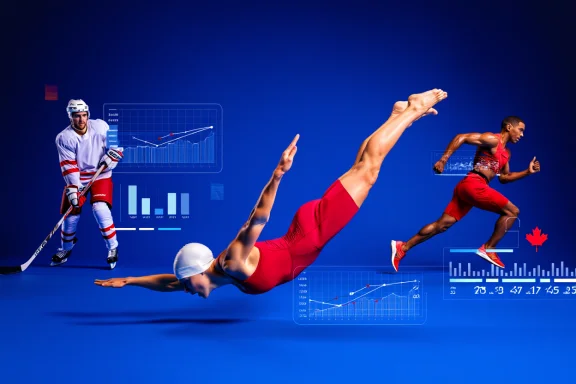
Remember when hockey coaches made line changes based purely on gut feeling? Those days are going the way of wooden sticks and leather helmets. Today’s Canadian athletes – from junior hockey players in Saskatoon to Olympic sprinters training in Toronto – are harnessing the power of sports analytics to reach new performance heights.
Sports analytics has transformed from a fancy buzzword to an essential tool that’s reshaping how we train, compete, and develop talent across the Great White North. Whether you’re coaching minor league hockey in Thunder Bay or training marathon runners in Vancouver, data-driven insights are becoming as crucial as good old-fashioned hard work.
The Analytics Revolution in Canadian Athletic Performance
What Sports Analytics Really Means
Sports analytics involves collecting, analyzing, and interpreting athletic performance data to make smarter training decisions. Think of it as your team’s secret weapon – like having Wayne Gretzky’s hockey sense, but backed by cold, hard numbers.
Canadian sports organizations are embracing this revolution. Hockey Canada uses advanced tracking systems to analyze player movements during games, while Athletics Canada leverages biomechanical data to optimize sprinting techniques for our Olympic hopefuls.
The data tells stories that the naked eye might miss:
- A hockey player’s skating efficiency in the third period
- A soccer player’s passing accuracy under pressure
- A swimmer’s stroke rate optimization for different race distances
- A basketball player’s shot selection patterns
Technology Tools Transforming Canadian Coaching
Wearable Technology Leading the Charge
Canadian athletes are strapping on more tech than a Bay Street executive. GPS trackers, heart rate monitors, and accelerometers provide real-time insights that would make even the most experienced coaches take notice.
Popular wearable tech in Canadian sports:
- Catapult GPS Systems: Used by Toronto FC and several CFL teams to track player workload
- WHOOP Bands: Monitoring recovery metrics for Team Canada athletes
- Polar Heart Rate Monitors: Standard equipment for cross-country skiers training in Canmore
- IMU Sensors: Helping figure skaters perfect their jumps at training centres nationwide
Video Analysis Software Revolution
Gone are the days of rewinding VHS tapes frame by frame. Modern video analysis platforms are giving Canadian coaches superpowers:
Hudl: Used by over 2,000 Canadian high schools and universities for game film breakdown Coach’s Eye: Helping individual athletes analyze technique in slow motion Dartfish: The go-to for Olympic-level biomechanical analysis at the Canadian Sport Institute
These tools allow coaches to break down every movement, compare techniques against elite standards, and create personalized training plans that target specific weaknesses.
Real-World Impact on Training Methods
Hockey: Canada’s Analytics Playground
The NHL’s embrace of advanced statistics has trickled down to every hockey rink from coast to coast. Canadian junior teams now track:
- Shot attempts and quality (Corsi and Fenwick stats)
- Zone entry success rates
- Faceoff efficiency in different situations
- Ice time optimization based on performance metrics
The Toronto Maple Leafs’ analytics department has influenced how minor hockey associations across Ontario approach player development, focusing on skill-based metrics rather than traditional stats like plus-minus.
Olympic Sports Getting the Data Treatment
Canadian Olympic athletes are using analytics to gain marginal gains that separate podium finishes from near-misses:
Swimming: Analyzing stroke efficiency and underwater dolphin kick patterns at facilities like the Toronto Pan Am Sports Centre Track and Field: Using force plates to optimize sprint starts and throwing techniques Cycling: Power meter data helping cyclists train more effectively on indoor trainers during our long winters
The Psychology of Data-Driven Decision Making
Understanding the numbers is one thing, but applying them effectively requires a shift in coaching psychology. Canadian coaches are learning to balance traditional intuition with analytical insights.
Key considerations for Canadian coaches:
- Data should support, not replace, coaching instincts
- Athletes need to understand the “why” behind the numbers
- Cultural fit matters – what works in warm-weather climates might need adaptation for Canadian conditions
- Privacy concerns around athlete data collection and sharing
Challenges and Opportunities in Canadian Sports Analytics
The Cost Factor
Let’s be real – not every community centre in Winnipeg has the budget for NHL-level analytics systems. Canadian sports face unique challenges:
- Rural communities with limited technology infrastructure
- Budget constraints at grassroots levels
- Training coaches to effectively use new technology
- Balancing high-tech solutions with fundamental skill development
The Opportunity for Growth
Despite challenges, Canadian sports analytics presents massive opportunities:
Talent Identification: Small communities can now identify promising athletes using standardized metrics Injury Prevention: Data-driven load management keeping athletes healthy longer Performance Optimization: Helping Canadian athletes compete globally despite smaller population base Coaching Development: Upskilling coaches across all levels with modern analytical tools
Implementing Analytics in Your Training Program
Whether you’re coaching house league hockey or training elite athletes, here’s how to get started:
- Start Simple: Begin with basic metrics like training load and recovery data
- Choose the Right Tools: Consider your budget and specific sport requirements
- Educate Your Team: Ensure athletes and staff understand the purpose behind data collection
- Focus on Actionable Insights: Collect data that directly influences training decisions
- Maintain the Human Element: Use analytics to enhance, not replace, traditional coaching wisdom
Remember, the goal isn’t to become a data scientist overnight – it’s about making smarter training decisions that help Canadian athletes reach their full potential.
Conclusion: The Future of Canadian Athletic Excellence
Sports analytics isn’t just changing how we train – it’s democratizing high-performance insights that were once exclusive to professional teams. From community rinks in Moose Jaw to Olympic training centres in Calgary, data-driven training approaches are helping Canadian athletes compete more effectively on the world stage.
The revolution is just getting started. As technology becomes more accessible and affordable, we can expect to see analytics influence every level of Canadian sport, from minor hockey to Olympic podiums.
The question isn’t whether analytics will transform your training program – it’s how quickly you’ll adapt to stay competitive in this new landscape.
Ready to take your training to the next level? Start exploring sports analytics tools that fit your budget and sport. Contact local sport science programs at Canadian universities for guidance, or connect with coaching education programs through the Coaching Association of Canada. The data revolution is here – don’t get left on the bench.